
TÜRKÇE
Gece Saati
SONA SAKLANAN ZAMAN PARÇASI ÜZERINE
KOLEKSIYONCULAR İÇIN — ŞIIR & DENEME
Bugün kaç kere bilek değiştirdiniz? Köpeği çıkarmadan önce düşünmeden takılan eski kayış; lavabonun altında, elleri kirlenerek geçen bir öğleden sonra için farklı bir şey; akşam için belki biraz daha bilinçli bir tercih. Ve sonra, son misafir kapıdan çıktıktan, bildirimler suskunduktan, gün sona erdikten sonra — gece saati gelir. Bütün gün için sakladığınız o saat.
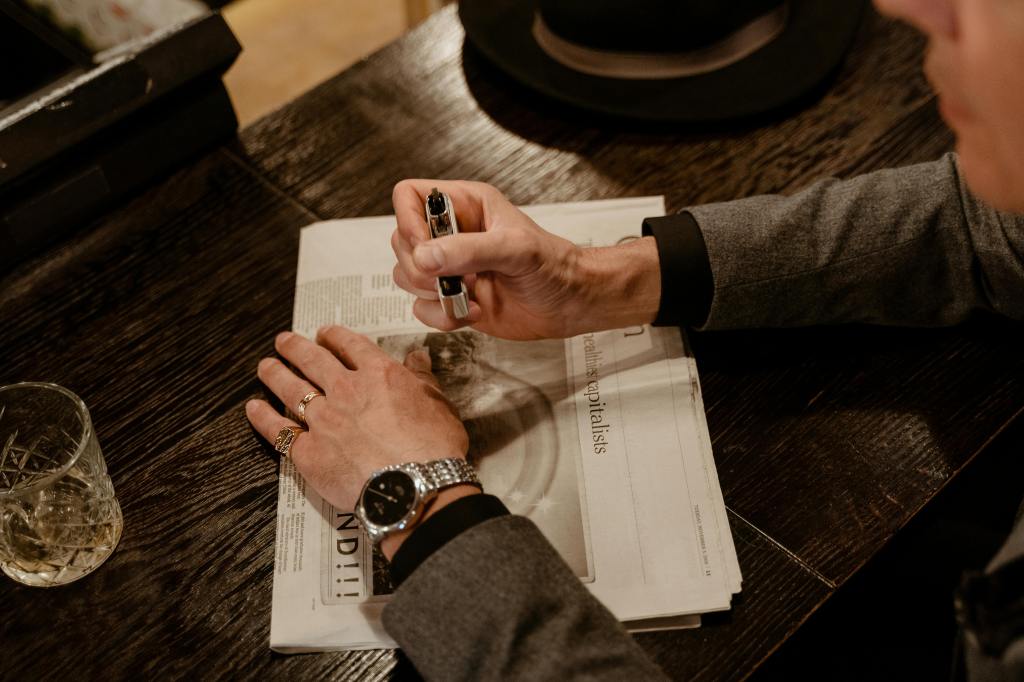
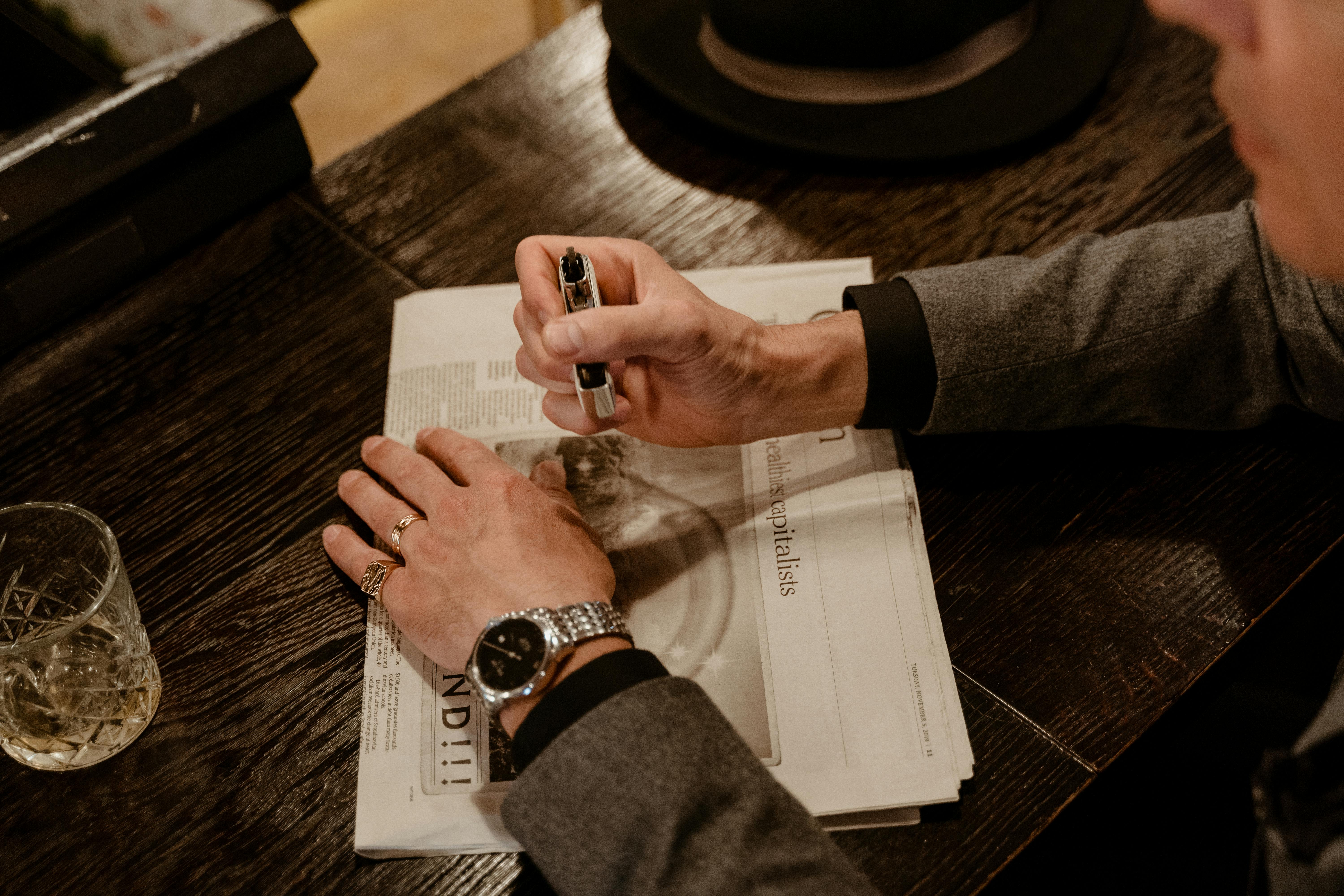
Her ciddi koleksiyoncunun bildiği ama pek dile getirmediği bir gerçek vardır: bazı saatler başkaları için takılır — zevki işaret etmek, sınıfı ilan etmek, sohbet açmak için. Gece saati ise yalnızca kendi bileğiniz için vardır. Seyirci yoktur. Onay aranmaz. Sadece karanlıkta tıklayan mekanizma, saate sadık kalır.
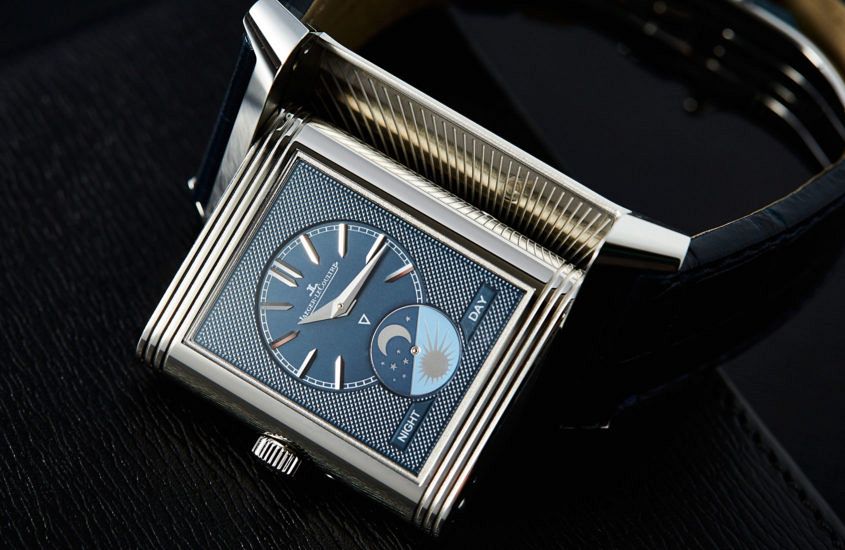
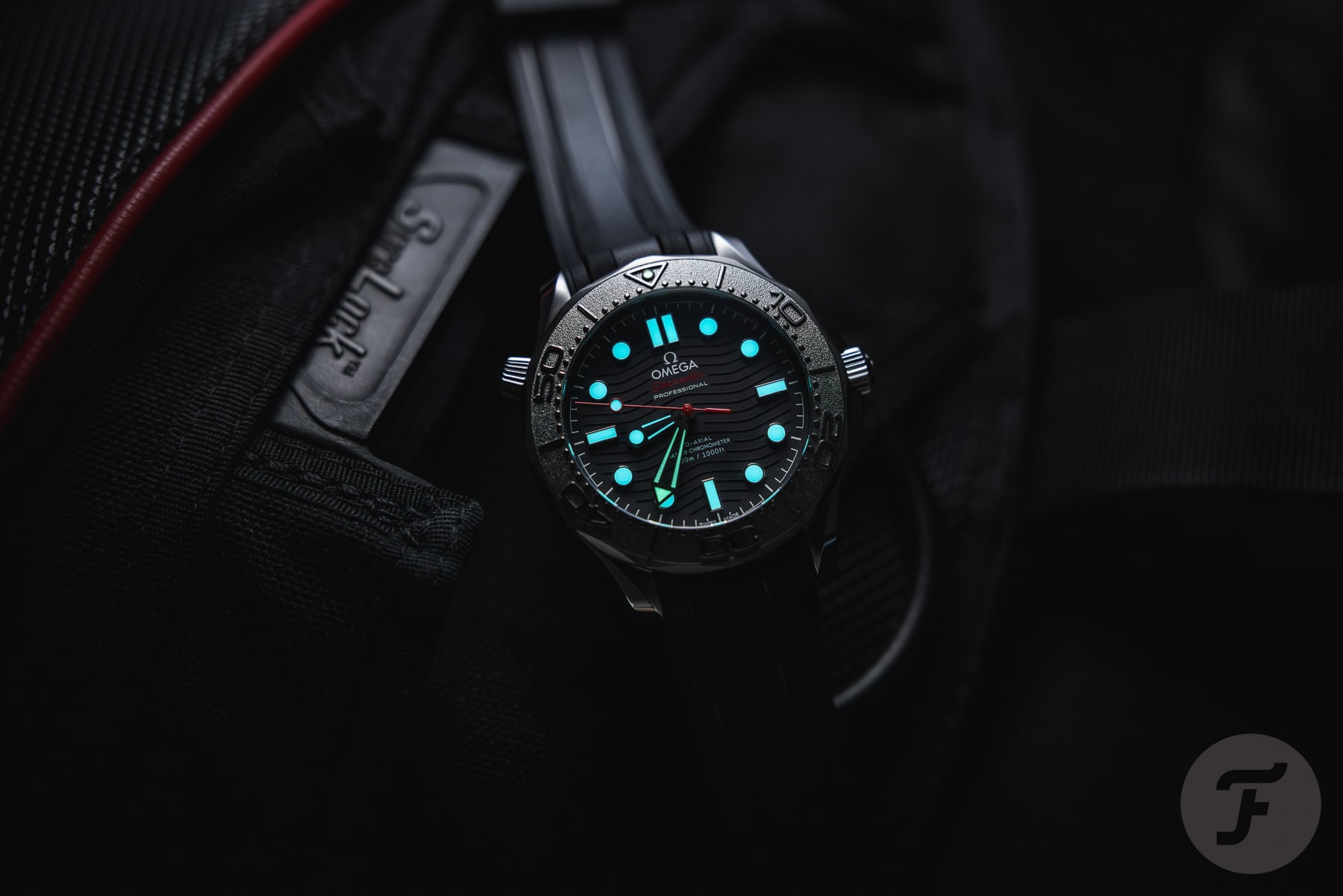
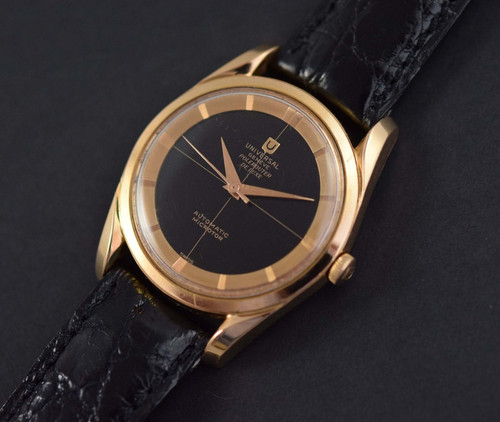
36mm’nin altında, deri kayışlı, mütevazı bir şey olabilir — ofis için çok sade, akşam yemeği masası için çok mahrem. Biraz çizilmiş kadranıyla eski bir JLC; cilalayacaksınız diye düşündünüz ama hiç etmediniz, çünkü o çizik artık size ait hissettiriyor. Ya da tam tersi: ağır, kararlı bir spor kasa — teknenin bağlarını son bir kez kontrol etmek, köpeği son kez çıkarmak, kurulup sarılmak için, kelimenin tam anlamıyla.
Ve bazen — bir zamanlar yasak olan maddeler ya da sadece en iyi sessizlik türü — gece saati bunun da vaktini tutar.
Gece Saati‘ni yazan koleksiyoncu-şair bütün bunları anlamış. Şiir ne romantize eder ne de yorum katar. Günün son saatinin ne için olduğunu sade bir dille sıralar ve biter. Bir dize — “ya da seks” — sayfada tek başına durur, geç saatin kendi odasına çekilmiş bir düşüncesi gibi. Özür dilemiyor. Saat de dilemez.
Ocak söndükten sonra,
konuklar gittikten sonra,
tüm işler bittikten sonra,
“gece saati” gelir.
Sadece kendine ayırdığın bir vakit.
Sadece kendinin görebildiği bir çehre.
Büyük ihtimalle <36mm ve deri kayışlı.
Biraz not almak, pipo yakmak,
son şarkıyı dinlemek ya da digestivo için.
Ya da sağlam bir spor kasa.
Uyumadan demirin, ırgatın, bosa kancasının son kontrolleri için.
Ya da seks.
Günün son saatidir o.
Gece saati.
Bu hobide komplikasyonlar hakkında çok konuşuruz. Takvim mekanizmaları, ebedi takvimler, rattrapante saniyecikler — saatin ölümlülüğe karşı kazandığı zafer. Ama Gece Saati, hiçbir üreticinin bir mekanizmaya yerleştiremediği komplikasyonu hatırlatır: yalnızca size ait bir akşamın basit, indirgenemez gerçeği.
Işıklar kapanırken bileğinizde ne var? Şiirin sorduğu soru budur. Ve saatçiliğin çoğu sorusunun aksine, cevap için uzmanlığa, müzayede kataloğuna ya da özgünlük belgesine gerek yoktur. Sadece kimse saate bakmıyorken kim olduğunuza dair dürüst olmak gerekir.
ENGLISH
Night Watch
ON THE TIMEPIECE YOU SAVE FOR LAST
FOR COLLECTORS — POETRY & ESSAY
How many wrists did you wear today? There was the one strapped on without thinking before walking the dog; something else for an afternoon spent under the sink, hands properly dirty; maybe a more deliberate choice for the evening. And then, after the last guest has gone, after the notifications have gone quiet, after the day has finally clocked out — the night watch comes. The one you have been keeping in reserve all along.
Every serious collector knows this ritual, even if they have never named it. Some watches are worn for people — to signal taste, announce station, start conversations. But the night watch is worn against your own skin alone. There is no audience. No approval to seek. Only the movement ticking in the dark, keeping honest time.
It might be something sub-36mm on a worn leather strap — too understated for the office, too intimate for the dinner table. A battered old JLC with a scratched crystal you keep meaning to polish but never do, because the scratch has begun to feel like yours. Or perhaps the opposite: a heavy, purposeful sports case for the final rounds of the day — checking lines on the boat, letting the dog out one last time, unwinding in the most literal sense of the word.
And sometimes — once-prohibited substances, or simply the best kind of silence — the night watch keeps time for that too.
The collector-poet who wrote Gece Saati understood all of this. The poem does not romanticize or editorialize. It simply lists what the final hour of the day is for, plainly, and then it ends. One line — “ya da seks” — stands alone on the page like a late-night thought that needed its own room. It does not apologize. Neither does the watch.
After the hearth is cold,
after the guests have gone,
after all things have been done
the night watch comes.
A time set aside for yourself alone.
A face only you can read.
Most likely under 36mm, leather strap.
For notes in the margin, a pipe,
the last song of the night, or a digestivo.
Or a solid sports case. For the final check of the anchor, the windlass, the rigging.
Or sex.
It is the final piece of the day.
The night watch.
We spend a great deal of energy in this hobby talking about complications. Perpetual calendars, rattrapante seconds, minute repeaters — the watch as a triumph of mechanism over mortality. But Gece Saati reminds us of the one complication no manufacture has ever managed to fit inside a movement: the simple, irreducible fact of an evening that belongs only to you.
What is on your wrist when the lights go out? That is the question this poem asks. And unlike most questions in horology, the answer requires no expertise, no auction catalogue, and no certificate of authenticity. It only requires that you be honest about who you are when nobody is watching the watch.


 Horolojist